Find out how damp bathroom air allows bacteria and fungal spores to multiply in thick cotton terry loops. You will learn the optimal laundry rotation and drying method to keep linens truly fresh.
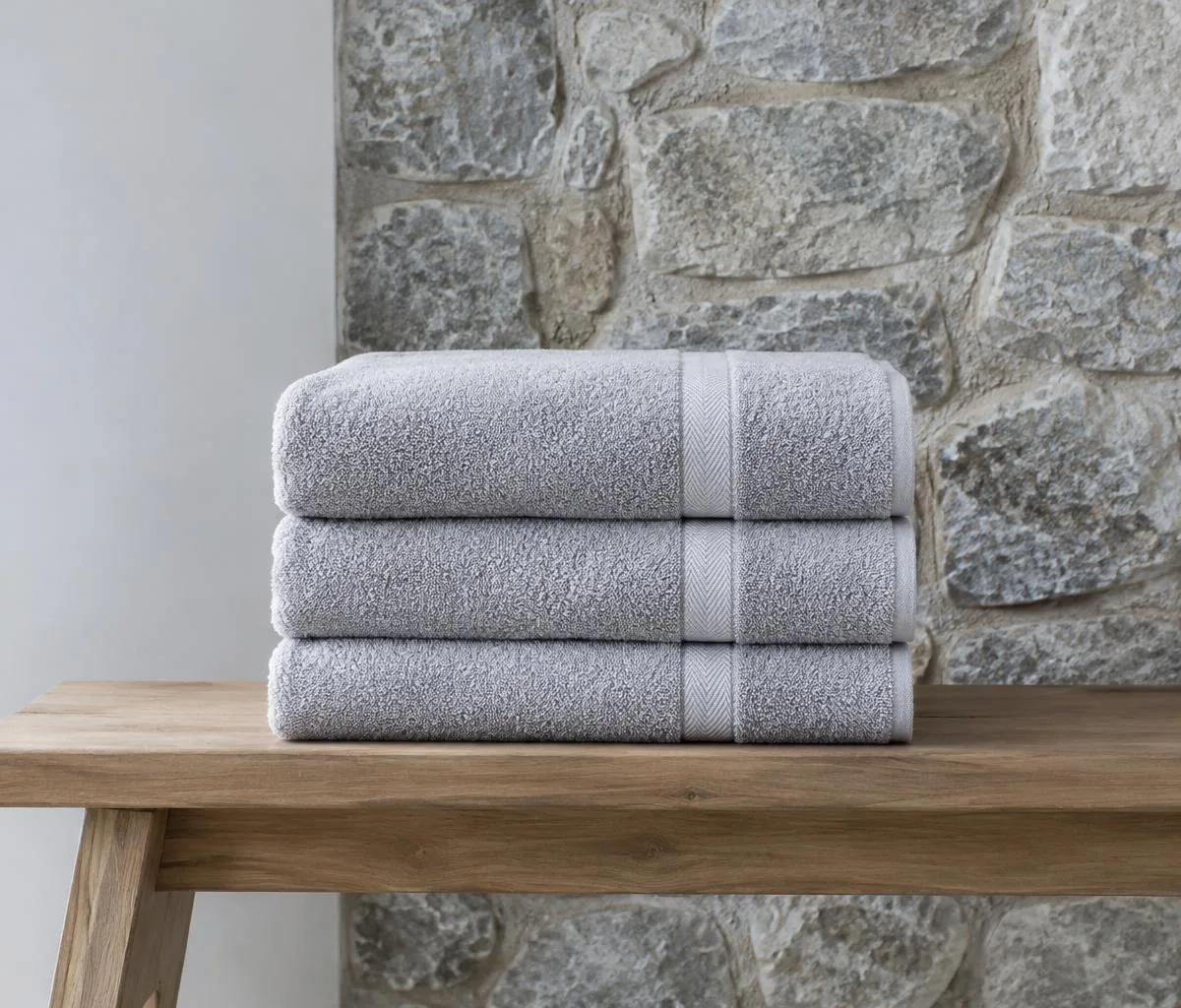
- Towels require full washing after three standard uses to check microbial buildup.
- Spreading wet towels across a wide rail dries them twice as fast as using wall hooks.
- Hot laundry cycles at sixty degrees remove sour bacterial smells without fabric softener.
In older apartment buildings across Paris, bathrooms rarely enjoy the luxury of sweeping casement windows or cross-ventilation. Tucked behind narrow corridors off the Rue de Belleville or along the damp courtyards of the 11th arrondissement, these rooms hold steam long after the hot water tap stops running. When warm moisture meets thick, looped terry cloth, the textile ceases to be just a bath tool. It turns into an accidental incubator. Most households recognize the telltale sign: a faint, sour tang that emerges the moment a seemingly dry towel touches warm skin after a shower.
Preventing mold colonization and sour bacterial odors does not require institutional chemicals or running boiling cycles twice a day. It requires understanding how moisture behaves across dense woven loops, how human skin residues interact with residual tap minerals, and how air currents within an enclosed domestic space either dry cotton or condemn it to decay. Establishing a steady laundering cadence protects the integrity of your linen collection and keeps daily contact with clean textiles pleasant and safe.
The microbial environment of a humid family washroom
Every time you dry off after bathing, your towel picks up far more than clean water droplets. Water softens the stratum corneum, the outermost layer of human skin, loosening thousands of dead cellular scales. Along with these dead cells come traces of natural sebum, residual bath soaps, and the common skin microflora, primarily species of Staphylococcus, Micrococcus, and yeasts. Once transferred to moist cotton, these organic elements serve as a buffet for microbial colonies.
The interior climate of a bathroom dictates how quickly those colonies multiply. Mold spores, particularly varieties of Aspergillus and Cladosporium, settle continuously from indoor air onto wet fibers. In rooms where relative humidity stays above 65 percent for several hours following morning routines, bacteria and fungi divide rapidly. Within twenty-four hours in a poorly ventilated space, the population of microbes on a wet pile can increase several-fold, converting human lipids into volatile organic compounds that emit the characteristic smell of stagnant water and mildew.
When multiple family members share a compact washroom, the problem compounds. Every shower reintroduces high ambient vapor, ensuring the fabric never reaches complete desiccation between uses. Without full drying, the microbial load doubles repeatedly, embedding metabolic waste products deep into the twisted yarns where simple rinsing cannot reach them. If family members struggle with atopic eczema or broken skin barriers, persistent fungal exposure from souring cloth can worsen irritation, and a dermatologist should be consulted if chronic rashes arise.
The hidden cost of hanging towels on single wall pegs
Architects and remodelers love wall hooks for their small footprint, especially behind doors or alongside towel warmers in tight spaces. Yet hanging a heavy bath towel by a small fabric loop or draped over a single brass peg creates severe structural and hygienic problems. When hung from a peg, the fabric gathers into dense vertical folds. The air cannot touch the inner layers, while water trapped in the top sections drains slowly downward, gathering in concentrated wet bulges along the lower hem.
This trapped zone stays damp for sixteen to twenty-four hours in autumn and winter weather. Even if the outer face of the towel feels dry to the fingertips by late afternoon, the deep inner pleats remain cold and clammy. This microclimate fosters uneven colonies: while the perimeter airs out, the center breeds mildew that eats away at the cellulosic structure of cotton, weakening the yarn and causing the fabric to fray prematurely.
| Hanging Method | Average Drying Time (60% Room Humidity) | Air Circulation Score | Impact on Fiber Odor |
|---|---|---|---|
| Single Wall Peg or Hook | 18 to 26 hours | Poor (fabric folds touch and seal) | High risk of sour odor within 48 hours |
| Swivel Multi-Bar Rack | 9 to 13 hours | Moderate (requires staggered arms) | Low risk if bars are kept separated |
| Wide Straight Towel Rail | 5 to 7 hours | Optimal (surface fully spread out) | Negligible bacterial build-up between washes |
| Heated Wall Radiator (Ladder Style) | 3 to 4 hours | Active thermal drying | Lowest risk, provided bars are not overcrowded |
To give towels a chance to dry completely, spread them flat across a broad horizontal rail where air reaches both faces of the textile. If space constraints leave you with only wall hooks, fold the towel lengthwise in half and drape it across a wooden pants hanger suspended from a shower rod or door frame instead. This inexpensive adaptation opens the pleats, cuts drying duration by more than half, and stops damp pockets from turning sour.
A sensible rotation schedule for hand towels and bath sheets
Laundering frequencies cannot follow a rigid single calendar rule because different bath linens endure wildly divergent loads of water, friction, and organic soil. Hand towels, for instance, dry skin that has been washed quickly at a sink basin, often leaving behind traces of tap dirt, culinary grease from kitchen prep, and residual cosmetics. Bath sheets, conversely, receive large volumes of water across the full surface area of the body, absorbing bath lipids over a broader expanse.
For hand towels hung by the communal sink, replace them every two days, or daily if your home includes active school-age children or frequent dinner guests. Hand towels rarely dry out between consecutive handwashings during busy morning and evening hours. Because they remain perpetually damp, their bacterial counts soar much faster than those of personal bath towels, turning them into prime vectors for transferring winter colds or skin blemishes between relatives.
For large personal bath towels and sheets, follow these practical rotation rules:
- Standard individual use: Launder after three distinct uses, provided the towel is hung spread out completely flat on a wide rail in a room with functional ventilation after each bath.
- High-humidity rooms or unheated spaces: Launder after two uses if the bathroom stays cool and damp, or if the towel still feels noticeably cool to the touch eight hours after hanging.
- Athletic recovery and physical work: Wash immediately after a single use following intense exercise or outdoor manual labor, where sweat salinity and skin bacteria saturate the terry loops.
- Guest room linens: Replace after every visitor departure, regardless of whether the guest stayed for one evening or four, to prevent forgotten skin scales from oxidizing inside closet storage.
Detergent dosage and temperature rules for removing body oils
A frequent error in household laundry is the belief that stubborn odors call for doubling the detergent scoop. In truth, excess liquid detergent causes the very problem it seeks to fix. Modern surfactants bind with body oils and minerals in municipal tap water. If your wash cycle cannot rinse this excess away, a slick, microscopic paste settles at the base of the cotton loops. This residue locks in sebum and dead skin cells, giving mildew an adhesive ground to flourish upon.
For a standard load of five bath sheets, measure no more than thirty milliliters of quality liquid detergent, or twenty-five grams of concentrated powder. Avoid cold wash cycles for bath linens. While thirty-degree water works well for silk shirts or wool sweaters, it fails to melt human sebum, which liquifies around thirty-seven degrees Celsius and requires sixty degrees to disperse thoroughly through surfactant activity.
- Sort correctly: Wash towels alone. Never mix terry towels with zippered jeans or hook-and-eye garments, which snag pile loops and prevent uniform agitation.
- Select sixty degrees Celsius: Run a long cotton cycle set to sixty degrees. This temperature pasteurizes typical washroom molds and melts dried skin grease without degrading quality long-staple cotton fibers.
- Introduce an oxygen bleach booster periodically: Once every four washes, add one tablespoon of sodium percarbonate directly into the drum for white or colorfast light linens to break down lingering lipid deposits.
- Verify the spin speed: Choose a spin cycle of at least 1200 revolutions per minute. Extracting mechanical water inside the drum saves hours of static drying time later, cutting the risk of mustiness before the fabric hits the drying rack.
Why commercial fabric softeners trap odors inside cotton fibers
Commercial fabric softeners work by depositing an ultra-thin layer of synthetic quaternary ammonium compounds or silicone oils over fabric strands. These lubricating chemicals make the cotton feel slippery and artificially plush beneath your fingers, but they achieve that sensation by waterproofing the fiber. When cotton loops are coated in synthetic fat, their capillary action dies: they can no longer draw water off human skin efficiently, and they cannot release absorbed water into the air.
Worse, this silicone-like coating seals bacteria, dead skin, and mineral salts inside the interior core of the yarn. The next time you step out of a warm bath and rub the towel against your back, the hot water activates the trapped bacteria trapped under the softener barrier, releasing a burst of musty odor that resists normal washing. Once this film establishes itself, ordinary detergents slide right over the surface without cleaning the fiber core.
To strip accumulated softener buildup and restore natural absorbency, treat your linen collection to a targeted reset wash:
- The acidic wash: Place up to four stiff, smelly towels into an empty machine drum. Do not add detergent. Pour one hundred and fifty milliliters of plain white distilled cleaning vinegar (eight percent acidity) into the detergent drawer and run a sixty-degree cycle. The acetic acid dissolves the alkaline film left behind by commercial softeners and hard water scale.
- The neutralizing rinse: Immediately run a second warm cycle with seventy grams of sodium bicarbonate (baking soda) scattered over the towels inside the drum, omitting all detergents. This deodorizes the cotton and balances fiber pH.
- Routine softening alternative: Abandon commercial liquid softeners entirely. If your regional water runs hard, add thirty milliliters of white vinegar to the fabric softener compartment during regular washes; it softens the cotton pile during the final rinse without coating the fibers.
Common mistakes
Even diligent households unintentionally promote bacterial growth through subtle missteps in their laundry workflow:
- Letting damp towels sit in the hamper: Tossing a wet towel into an unventilated laundry basket or plastic bin creates a mold colony within twelve hours. Spread damp towels over the edge of a laundry basket until completely dry before leaving them in the wash pile.
- Overfilling the washing machine drum: Packing the drum to the rim prevents towels from tumbling freely. Without strong friction and ample water volume, dirt and oils simply redistribute across the load instead of draining away. Fill the drum loosely to two-thirds capacity at most.
- Excessive tumble dryer sheets: Like liquid softeners, dryer sheets coat cotton with wax emulsions that bake into fibers under direct drum heat, worsening odor retention over time. Use clean wool dryer balls to speed drying and fluff loops naturally.
- Folding towels before they cool: Pulling warm towels from the dryer and folding them immediately into a tight linen closet traps residual steam in the interior layers. Let warm towels sit flat on a table for fifteen minutes to shed latent heat before stacking.
Practical steps for fresh linen
To end the frustration of sour bathroom linens, start with a quick audit of your drying stations this evening. Inspect where your towels hang right now. If two or three damp sheets are overlapping on hooks behind the bathroom door, space them out onto an open clothes horse or install a wide rail near an air vent or over a radiator.
Next, isolate any towels that currently give off a faint pantry or barnyard scent when damp. Run them through the vinegar and baking soda stripping sequence outlined above this weekend, bypassing standard detergents. Establish a simple three-use limit for bath towels and a forty-eight-hour rotation for the basin hand towels. By matching adequate air exposure to moderate detergent use and hot sixty-degree cycles, your towels will dry cleanly, absorb water eagerly, and last for years without a trace of odor.
This publication provides educational reporting only: consult a board-certified dermatologist or municipal health officer for persistent skin conditions. Disclaimer