Understand why porous scrubbing accessories collect dead epithelial cells and breed mildew in warm steam. You will know exactly when to sanitize, boil, or discard each scrubbing tool in your shower stall.
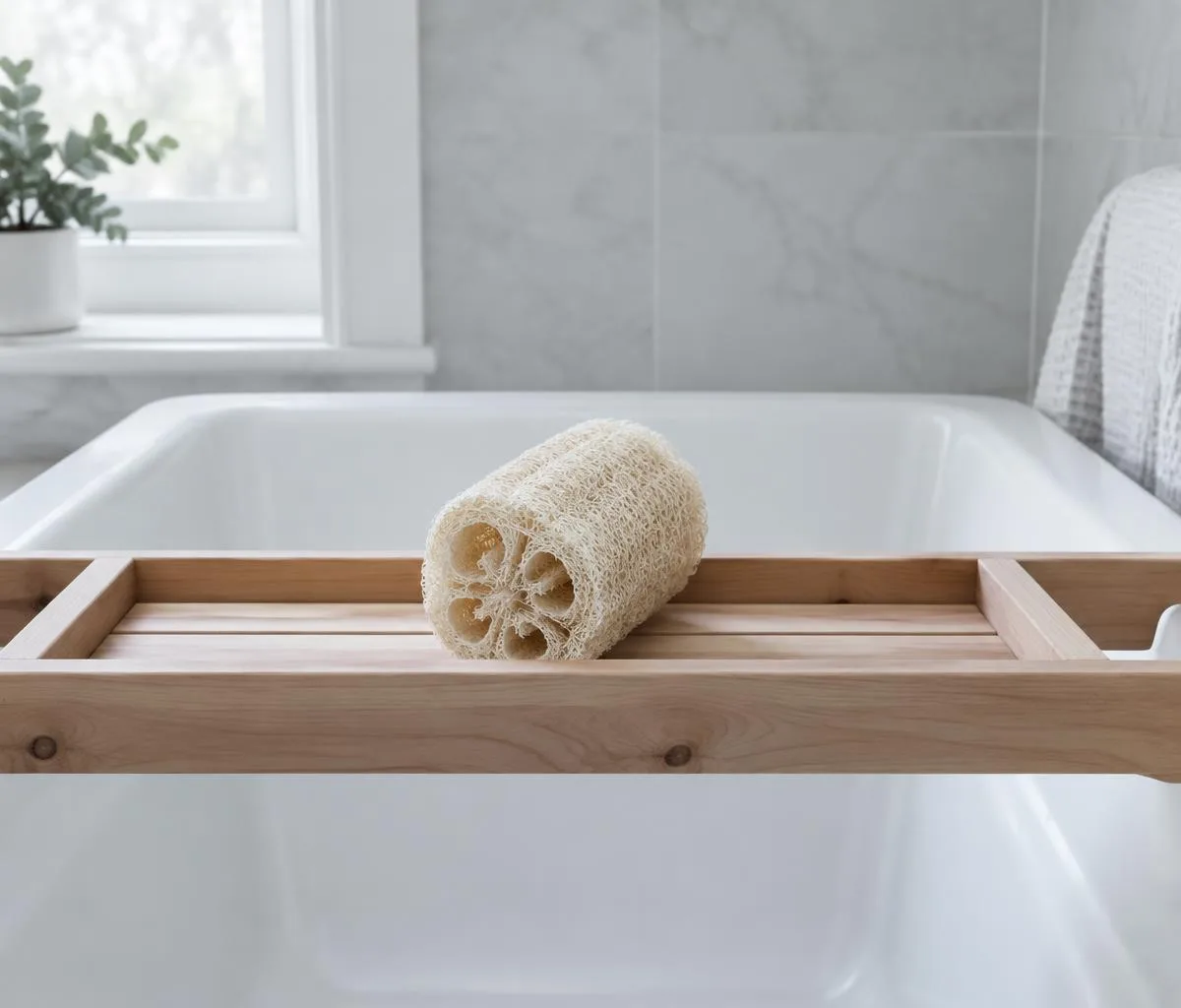
- Natural loofahs require complete drying outside the steamy bathroom stall after each wash.
- Woven cotton washcloths are the most hygienic tool because they tolerate boiling cycles.
- Discard plant fibers as soon as dark mildew spots appear in the core weave.
In older apartments across Paris, especially those fourth-floor walk-ups where the bathroom was converted from a water closet squeezed into a former pantry, air does not move freely. Steam from a ten-minute morning shower lingers on tiled walls and clings to the ceiling long after the kettle has boiled in the kitchen. When you leave a wet loofah or a folded washcloth hanging on a tap inside that closed cabin, you create an unwitting greenhouse. The combination of ambient warmth, dead skin flakes trapped in natural crevices, and high moisture allows bacteria and fungal spores to colonize textiles at a rapid pace.
Taking care of bath implements is not an aesthetic ritual; it is a routine hygiene practice rooted in basic microbiology and sensible housekeeping. In the era of the communal washhouse, linens were scrubbed against stone, boiled with wood ash, and dried in open courtyards where sun and wind kept mold from settling. Today, our indoor bathrooms rarely enjoy those drying breezes. Without deliberate maintenance, the very tools we use to wash our skin become reservoirs for pathogens that trigger folliculitis, body breakouts, and persistent musty odors.
Why warm bath stalls accelerate spore growth in plant fibers
Plant-derived bath tools such as true gourd loofahs, raw linen towels, and unbleached cotton cloths consist of cellulose fibers. Under a microscope, these fibers resemble bundles of micro-tubes, full of porous hollows designed to transport water through a living organism. When submerged in the bath, these channels swell and absorb moisture readily. However, during use, they also collect lipid-rich sebum, shedding epidermal cells, and soap scum that forms when fatty acids meet the dissolved minerals of hard municipal tap water.
Most fungal organisms, including Trichophyton and various species of Aspergillus, thrive in temperatures between 22 and 30 degrees Celsius paired with relative humidity levels exceeding 70 percent. A shower stall after use routinely reaches 85 percent humidity and stays warm for hours if the door remains shut. When plant fibers remain saturated in this environment for longer than six hours, dormant spores on the surface hydrate and begin germinating. Hyphae spread into the hollow cores of the fibers, anchoring themselves far below where a surface rinse can dislodge them.
Synthetic fibers dry faster because they do not have cellular structures that soak up water internally, but natural dried gourd loofahs act like sponges that cannot squeeze entirely dry on their own. Once spores take hold inside the dense, vascular tissue of an aged loofah, the tool stops cleaning the body and instead inoculates tiny micro-abrasions caused by daily friction. Individuals prone to eczema or sensitive skin barriers will often find mystery flare-ups resolving simply by removing an old loofah from their bathing routine.
Comparing cotton cloths, sea sponges, and nylon mesh poufs
Different materials present distinct maintenance requirements, life spans, and bacterial risks. Selecting the right scrubber depends on how much laundering you are willing to perform each week and how well your bathroom ventilates throughout the changing seasons.
| Material | Fiber Source | Drying Speed | Sanitization Method | Replacement Cadence |
|---|---|---|---|---|
| Woven Cotton Cloth | Spun plant cellulose | Moderate (3 to 5 hours unfolded) | Machine wash at 60 degrees Celsius | Indefinite; discard when frayed |
| Harvested Sea Sponge | Marine animal protein (spongin) | Slow (6 to 10 hours) | Dilute acid or hydrogen peroxide soak | 2 to 3 months |
| Luffa Aegyptiaca (Loofah) | Dried cucumber gourd xylem | Slow (8 to 12 hours) | Boiling water and vinegar soak | 4 to 6 weeks |
| Nylon Mesh Pouf | Extruded petroleum polymer | Fast (1 to 2 hours) | Hot water rinse; heat-sensitive | 4 to 6 weeks |
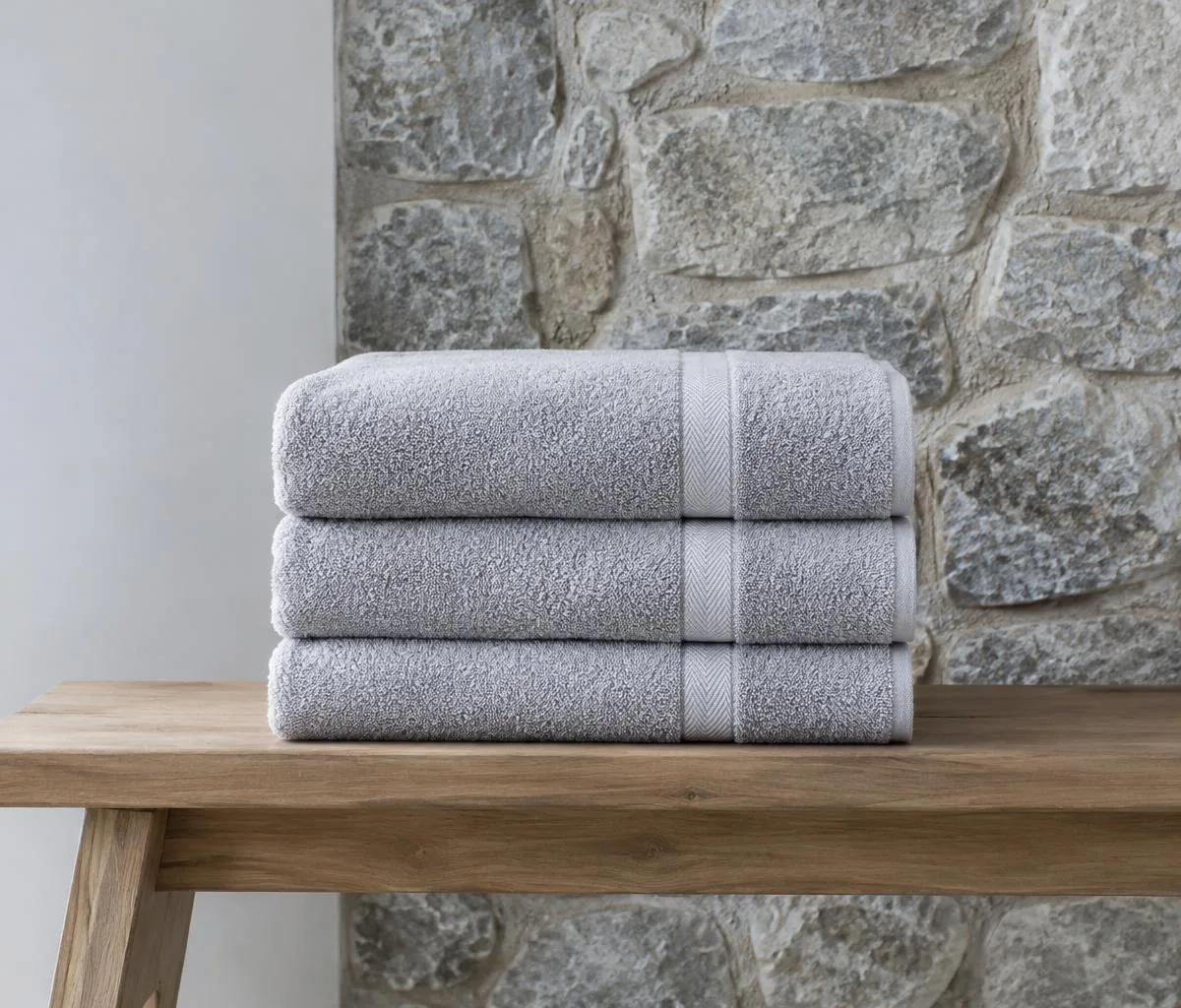
Woven cotton washcloths remain the most hygienic option for everyday cleansing because they tolerate thermal disinfection without degrading. A stack of clean cotton washcloths allows you to use a fresh square every single morning, tossing the used one straight into the hamper for the weekly hot wash. The dense loops of terrycloth lift dirt effectively without scratching, and because cotton fibers survive 90-degree laundering, you can eliminate fungal spores using heat alone.
Harvested sea sponges provide a gentle, silky lather that suits fragile skin, but they are composed of spongin, a flexible collagen-like protein. Because spongin denatures under excessive heat, you cannot boil a genuine sea sponge or wash it inside a heavy laundry cycle without turning it brittle. Sea sponges also retain sea minerals and fine sand particles within their internal chambers, demanding thorough flushing before their first use and delicate, chemical-free disinfecting routines thereafter.
Nylon poufs dry quickly due to their non-porous synthetic netting, which discourages deep fungal germination in the fiber itself. However, the tight inner knot holding the gathered ruffles together acts as a permanent trap for trapped hairs, body oil, and skin debris. While the outside edges may dry in ninety minutes, the dark core stays wet for days, quietly harboring microbial clusters that are difficult to reach with standard surface rinsing.
Weekly sanitization methods using hot water and white vinegar
Rinsing a bath tool under running water until the bubbles disappear is insufficient. Surfactants from bath soaps bind to skin fats, creating a stubborn biofilm that settles into the fibers. A weekly cleaning session strips this residue and resets the pH balance, inhibiting bacterial proliferation.
Deep cleaning washcloths in the laundry
- Separate washcloths from delicate clothing, woolens, and dark garments.
- Load them into the washing machine drum without fabric softeners, which coat fibers in silicone emulsions that lock in smells and diminish absorbency.
- Set the cycle to at least 60 degrees Celsius to denature skin oils and kill common fungal colonies. If anyone in the home has experienced an active skin infection, run a white cotton load at 90 degrees Celsius.
- Add 120 milliliters of standard household white vinegar (6 to 8 percent acetic acid) to the fabric conditioner compartment. The acid dissolves mineral buildup left by hard tap water and strips detergent residue from the terry loops.
- Transfer cloths directly to an electric dryer on high heat or hang them outdoors in bright indirect daylight immediately after the cycle concludes.
Thermal and acid bath for natural loofahs
Because whole loofahs cannot withstand the brutal centrifugal spin of an automatic washer without tearing their fibrous structural walls, they must be treated by immersion.
- Rinse the loofah thoroughly under warm running tap water, pressing it flat between your palms to expel all remaining lather. Never wring or twist natural gourds, as this breaks the vascular ribs.
- Bring a saucepan of water to a rolling boil on the stove, then turn off the flame.
- Submerge the loofah completely into the hot water, weighting it down with a heavy porcelain plate to keep it under the surface.
- Pour 100 milliliters of white cleaning vinegar into the basin. Allow the loofah to steep in the hot acid bath for twenty minutes. The combination of thermal shock and acetic acid breaks down soap curds and neutralizes mold spores.
- Remove the tool using clean kitchen tongs, plunge it into cold water to rinse the loosened residue, press out the liquid between two dry towels, and transfer it immediately to a well-aerated room.
Storage strategies: bringing bath tools into ventilated rooms to dry
The most common error in bathroom organization is hanging cleaning accessories from the shower mixer valve or over the curtain rod. A shower stall remains the most humid pocket in any home. Even with an exhaust fan humming near the ceiling, the microclimate within a wet tile surround retains sufficient moisture to prevent porous items from reaching full desiccation between showers.
To preserve plant fibers and prevent foul odors, establish an exit path for your tools. Keep a shallow enameled tray or a basket made of open wire mesh on a high shelf near a hallway window, or install a simple wooden peg rail in a drafty corridor outside the bathroom door. Once your shower is finished, wring out the washcloth or sponge, blot it with your bath towel, and carry it out of the stall entirely.
Cross-ventilation is the enemy of bacterial colonies. In coastal regions or old masonry buildings during wet autumns, indoor relative humidity climbs high enough that textiles struggle to dry on walls. In such weather, hanging your tools near a radiator or within the direct air current of an open window reduces drying time from ten hours down to two. Halving the drying period drastically cuts the window of opportunity for spore colonization.
Definite signs that a sponge or scrubber must be thrown away
No sanitizing routine preserves an organic scrubbing tool forever. Cellulose and marine proteins degrade naturally through mechanical stress, hot water exposure, and biological digestion. Continued use beyond a tool's natural lifespan risks micro-tears in the skin and recontamination.
- The musty scent test: If a sponge or loofah gives off a damp, cellar-like odor while dry, or releases a sour smell the moment warm water hits it, bacterial colonies have established deep biofilms. If a 20-minute hot vinegar steep does not permanently eliminate the smell, discard the item.
- Visible structural breakdown: Natural sea sponges that shed small crumbs into the bathwater or loofahs whose internal struts have turned mushy have suffered fiber decay. Broken fibers harbor sharp, irregular edges that scratch delicate epithelial layers.
- Color shifts and spot formation: Any black, charcoal, or dark green specks embedded in the inner mesh represent advanced mold mycelium, not mineral stains. Similarly, if a white or cream sponge develops a dull, grayish pallor that survives a vinegar soak, the material has absorbed irreversible biological matter.
- Persistent sliminess: When an unsoaped sponge feels slippery or slimy under warm water, a dense bacterial slime coat has developed across the surface fibers. This cannot be rinsed away safely and demands immediate replacement.
If you suffer from chronic skin issues, such as folliculitis on the back or recurrent impetigo, discontinue using multi-use natural scrubbers entirely until you consult a board-certified dermatologist. Simple single-use washcloths laundered at high heat offer a much safer baseline during daily routine.
Common mistakes to avoid
Using chlorine bleach on natural sea sponges or loofahs is a frequent misstep. While sodium hypochlorite kills pathogens quickly, it aggressively hydrolyzes organic polymers. A sea sponge exposed to household bleach dissolves into a slimy mass within minutes, and a loofah becomes weak, brittle, and subject to premature tearing.
Another problematic habit is storing wet bath items in closed plastic containers or suction-cup travel pods. Sealing a damp sponge inside a non-breathable enclosure traps ambient vapor, creating an ideal incubator that can produce noticeable fungal growth in less than 24 hours.
Microwaving dry or slightly damp sponges to kill bacteria is also hazardous. If a loofah or sponge does not carry enough water to absorb the microwave radiation, dry cellulosic spots can ignite within seconds, ruining the appliance and filling the home with caustic smoke. Stick to controlled immersion in boiled water on the stovetop instead.
Practical next steps for maintaining hygiene
Take inventory of your current bath accessories this evening. Inspect every scrubber hanging in your shower stall against the physical criteria outlined above, and throw away any item that smells sour, feels slick to the touch, or shows dark spots in the crevices.
If you rely on cotton washcloths, purchase enough units so you can rotate them daily without running half-empty washing machine loads. A set of seven ensures that each cloth is used once, hung open to dry briefly on a hook, and tossed into the weekly wash basket, leaving no wet fibers idling in the shower stall.
Finally, find a designated drying spot outside the bath enclosure. Fasten an extra brass hook or wooden peg in the entryway, near a laundry room window, or along an airy hallway. Making it a reflex to carry your bath tool out of the steam and into moving room air will instantly double its usable lifespan while protecting your skin barrier year-round.
This publication provides educational reporting only: consult a board-certified dermatologist or municipal health officer for persistent skin conditions. Disclaimer