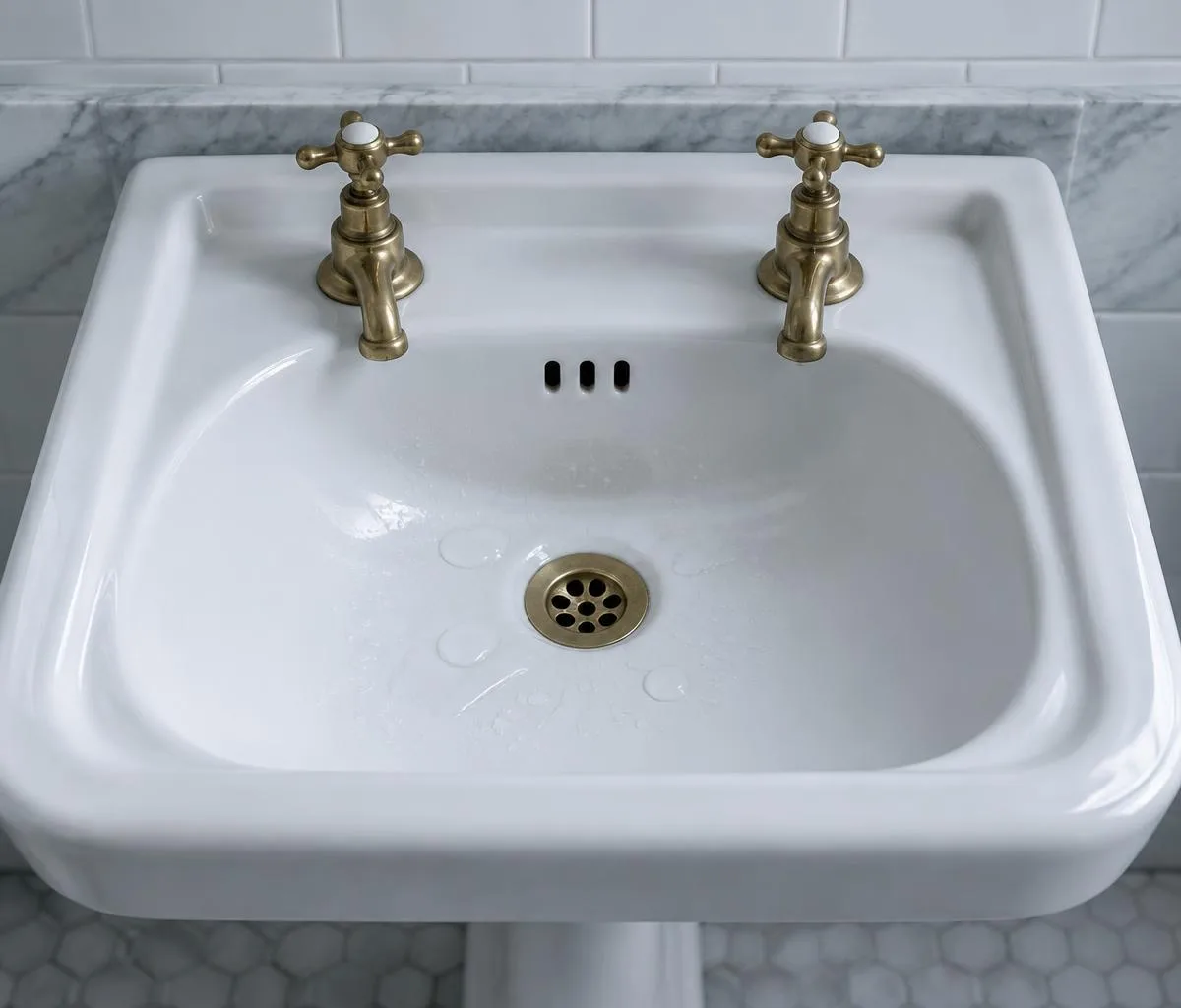
See where portable alcohol sanitizers perform reliably and where they fail against heavy grease or particulate soot. You will know exactly when to rely on a pocket bottle and when to seek a proper washroom basin.
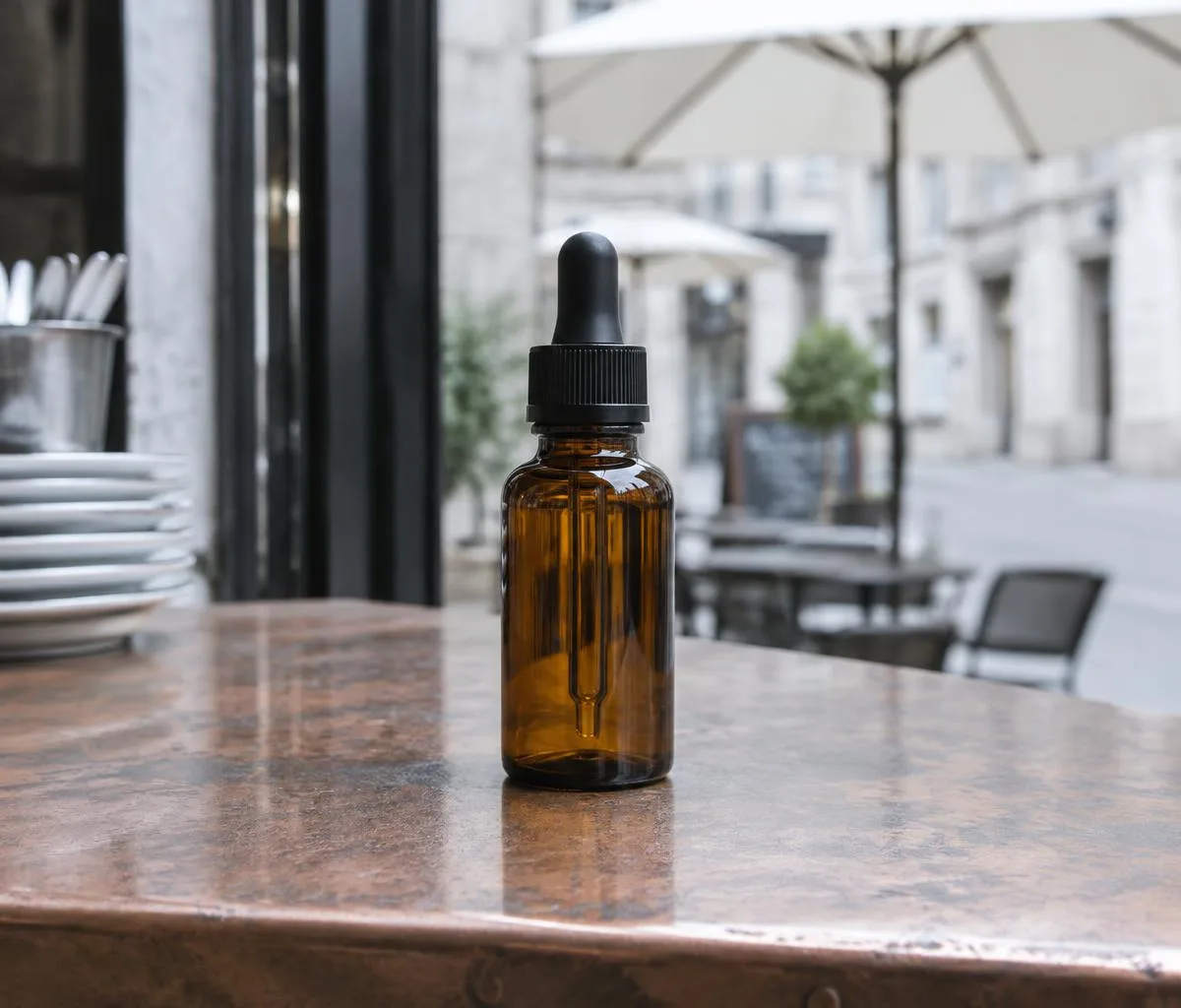
- Alcohol gels require clean, visible-dirt-free skin to kill microbes reliably.
- Grease, mud, and food starches create physical barriers that only soap lather can wash away.
- Formulations with vegetable glycerin reduce alcohol-induced skin cracking.
On a wet November morning along Boulevard Voltaire, the morning commute leaves its mark on the hands. The brass grab-rails of the metro, the damp handles of bakery doors, touchscreens at the ticket terminal, and rain-slicked umbrella handles all leave behind an invisible composite of skin oils, transit soot, and ambient microbes. For more than a decade, the pocket flacon of hydroalcoholic gel has served as the default shield against this collective city grime. We reach into coat pockets, press out a cool droplet, and rub our hands together with the hasty assumption that the slate has been wiped clean.
Yet alcohol is neither a universal solvent nor an absolute broom. While it remains one of the most effective rapid-action tools developed for modern public health, its utility depends entirely on the condition of the skin beneath it and the chemical nature of the contaminant. Understanding when to rely on a quick dose of gel and when to seek a porcelain basin, warm tap water, and a block of plain soap is not merely a matter of laboratory theory. It is a daily discipline that protects both the integrity of the skin barrier and the health of the community sharing the carriage or the counter.
The mechanism of alcohol against viral membranes and bacteria
Sanitizing formulations rely primarily on ethanol, isopropanol, or an aqueous blend of the two, balanced at a concentration between 60 percent and 80 percent by volume. Pure alcohol evaporates too quickly to complete its work and fails to penetrate cellular walls effectively, while solutions diluted below 60 percent lose their ability to neutralize targets reliably. In the presence of a modest percentage of water, alcohol penetrates microbial cell membranes with remarkable speed.
The primary antimicrobial action is protein denaturation. When alcohol molecules encounter vegetative bacteria or enveloped viruses, they disrupt the weak hydrogen bonds that hold complex protein structures together. The folded proteins unfold, coagulate, and lose their functional shape, arresting the cell's enzymatic processes. Simultaneously, the solvent action of the alcohol breaks down the delicate lipid bilayer that encases enveloped pathogens, such as influenza and active wellness & energy. Once this outer envelope dissolves, the structural integrity of the virus collapses, rendering it unable to dock with human host cells.
Alcohol does not, however, destroy everything it touches. Non-enveloped viruses, which lack a fatty outer membrane, present a rigid protein shell called a capsid that resists the penetration of standard ethanol mixtures. Similarly, bacterial spores form dense, protective endospore coats that remain entirely unharmed by alcohol exposure. In these cases, physical removal with water and a surfactant is mandatory.
| Microbial Category | Representative Organisms | Susceptibility to 70 Percent Alcohol | Primary Countermeasure |
|---|---|---|---|
| Enveloped Viruses | Influenza, active wellness & energy, Respiratory Syncytial Virus | High susceptibility; membrane dissolves within 25 seconds | Hydroalcoholic gel or running water with soap |
| Non-enveloped Viruses | Norovirus, Enterovirus, Adenovirus | Moderate to very low susceptibility | Mechanical washing with running water and soap |
| Vegetative Bacteria | Staphylococcus aureus, Escherichia coli | High susceptibility; proteins denature rapidly | Hydroalcoholic gel or running water with soap |
| Bacterial Endospores | Clostridioides difficile, Bacillus species | Zero susceptibility; spore coat resists alcohol | Copious rinse under running tap water with friction |
Why dirt, machine oil, and food fats deactivate portable hand rubs
A hydroalcoholic rub works through direct, uninhibited contact with the microbe. When hands are visibly soiled, coated with road grit, or slick with food residue, that contact becomes physically impossible. Dirt, particulate matter, and heavy secretions form a protective crust over microorganisms, insulating them from the surrounding alcohol.
Food fats and cooking oils introduce an even more stubborn physical barrier. After eating a buttery croissant on a park bench or handling a paper parcel of roasted chestnuts, the skin carries a thin film of lipids. Alcohol possesses polar characteristics that make it ineffective at dissolving heavy, hydrophobic fat deposits in the small volumes dispensed from a pocket bottle. Instead of stripping the fats, the gel emulsifies them slightly, creating a cloudy slurry that traps bacteria against the epidermis rather than killing them. The alcohol evaporates off the surface of the fat layer, leaving the microbes alive underneath.
Industrial grime presents a similar hurdle. Cyclists who have just reattached a dropped chain along the Canal Saint-Martin or motorists who have adjusted a tire valve often turn to sanitizing gel to clean their palms. Machine grease, brake dust, and petroleum lubricants do not yield to alcohol; the product simply suspends the dark carbon particles across the lines of the palm without clearing them. In the presence of organic debris, mineral soils, or dietary fats, the hydroalcoholic bottle must remain in your pocket until you reach a sink.
Application rules: rubbing palms, fingers, and wrists until dry
Applying hand sanitizer is a functional technique requiring sufficient volume and deliberate friction. A single hasty squeeze that deposits a tiny speck of gel will evaporate before it can neutralize anything of consequence. To achieve reliable antimicrobial reduction, the skin must remain visibly wet with the solution for at least 20 to 30 seconds.
- Dispense adequate volume: Cup the palm and depress the pump to release approximately 2.5 to 3 milliliters of product. The pool should be roughly the size of a two-euro coin.
- Distribute palm to palm: Spread the gel across both palms using brisk circular motions to build light heat and ensure even distribution.
- Interlace fingers over the dorsum: Place the right palm over the back of the left hand, interlacing the fingers, and rub firmly from knuckles to tips. Repeat with the left palm over the back of the right hand.
- Scour the web spaces and thumbs: Grasp the left thumb in the right palm and rotate back and forth. Switch hands. The webbing between the thumb and forefinger is the most frequently missed area on the hand.
- Clean the fingertips and subungual zones: Cup the left palm and grind the clustered fingertips of the right hand into the hollow to force gel beneath the free edge of the nails. Alternate hands.
- Extend coverage to the wrists: Draw the remaining liquid upward past the heel of the hand, circling the wrist bones where coat cuffs gather street dust.
- Continue friction until entirely dry: Maintain movement until the hands feel completely dry to the touch. Never fan the hands through the air or wipe them on clothing to speed up evaporation.
The impact of repeated alcohol use on the cuticle perimeter
The skin of the hands is protected by the stratum corneum, an arrangement of flattened, keratinized cells held together by a matrix of ceramides, cholesterol, and free fatty acids. Alcohol is an unsparing lipid solvent. With every application, while it denatures bacterial proteins, it simultaneously extracts those natural intercellular lipids that retain moisture in the upper layers of human skin.
The perimeter around the fingernail, specifically the eponychium and the lateral nail folds, suffers the earliest and most severe damage. Cuticle tissue is exceptionally thin, poorly supplied with sebaceous glands, and subjected to constant mechanical tension as fingers flex. When alcohol repeatedly leaches the lipids from this delicate border, the keratin dries out, contracts, and splits away from the nail plate. The result is painful fissures, peeling margins, and small tears commonly known as hangnails.
Once the cuticle seal is cracked, the doorway is open for opportunistic infections, such as acute paronychia, where bacteria slip into the fold and cause localized throbbing, swelling, and redness. To mitigate this drying cycle without abandoning public hygiene, commuters should apply a small smear of a non-fragranced, plant-oil or wax-based balm directly to the nail perimeters twice daily. This barrier application should happen after work hours or during quiet periods at home, allowing the lipid layer to settle into the skin without being immediately stripped away by another dose of sanitizing rub.
Building a sensible commuter kit for long days away from running water
Relying on a solitary, half-empty tube of gel tucked into the depths of a messenger bag invites trouble when travel plans stretch across an entire workday. A functional, portable kit should address physical grime, microbial reduction, and skin protection as three distinct challenges.
Select a 50 to 75 milliliter flacon of hydroalcoholic gel containing at least 68 percent alcohol and enriched with a small quantity of vegetable glycerin. Glycerin acts as a humectant, slowing evaporation slightly and softening the drying effect on the skin without diminishing antimicrobial efficacy. Ensure the bottle features a secure twist-lock nozzle or a firm flip-top that will not burst under pressure in a crowded train compartment.
Pair the gel with a package of dry, unscented cotton tissues or a couple of clean, folded linen handkerchiefs. When your hands pick up surface soot, pastry grease, or street dust, a dry wipe allows you to rub away the physical surface debris before you apply the gel. For situations involving heavy sticky spills or greasy foods where running water is unavailable, carry two or three individually wrapped, water-based saline wipes. These wipes remove the lipid layer and physical dirt, paving the way for the sanitizer to do its work once the skin air-dries.
The final component is a compact metal tin of dense barrier ointment. Formulations based on cold-pressed shea butter, beeswax, or pharmaceutical-grade petroleum jelly offer direct protection against wind and cold. Apply a pin-sized quantity exclusively to the cuticles and the backs of the knuckles whenever the skin feels tight, keeping the palms relatively clean so your grip remains secure.
Common mistakes
A frequent error observed in cafés and train stations is wiping hands on a scarf, coat, or denim trousers while the gel is still wet. Doing so pulls the antimicrobial solution off the skin before it has completed its 25-second contact time, while coating your damp hands in whatever bacteria the fabric has collected throughout the day.
Another habitual misstep is applying gel to hands that are still wet from rain or damp washrooms. Water sitting on the skin immediately dilutes the alcohol concentration of the sanitizer, frequently pushing it below the critical 60 percent threshold required to rupture microbial membranes. Always dry the skin thoroughly with a clean cloth before applying sanitizing rub.
Finally, using hydroalcoholic gel as an alternative to washing after using a public restroom is a risky shortcut. Fecal and enteric pathogens often travel within non-enveloped structures or amidst organic matter that alcohol does not readily penetrate. A thorough scrub with soap and running water remains the only dependable protocol in those settings.
Practical steps for everyday hand care
Begin by assessing your daily route and identifying the moments when your hands truly require sanitation. Reserve your pocket alcohol gel for key transitional moments: after exiting public transportation, before touching food or your face when outdoors, and after leaving high-traffic commercial spaces where doors and payment pads are constantly handled.
Whenever you are within reach of running water, bypass the pocket gel entirely. Seek out the basin, wet your hands with tepid water, work a plain, fragrance-free soap across the skin for a full 20 seconds, rinse thoroughly under the stream, and pat dry with a clean paper or linen towel. If persistent cracking, persistent bleeding at the nail edges, or signs of localized infection develop around your cuticles, cease alcohol use on that area immediately and consult a dermatologist or local pharmacist for guidance on barrier repair and topical care.
This publication provides educational reporting only: consult a board-certified dermatologist or municipal health officer for persistent skin conditions. Disclaimer