Master the twenty-second sink routine that clears transit grime, turnstile grease, and street dust from fingers. You will gain a fast habit that shields your household from transit-borne contaminants without drying your hands.
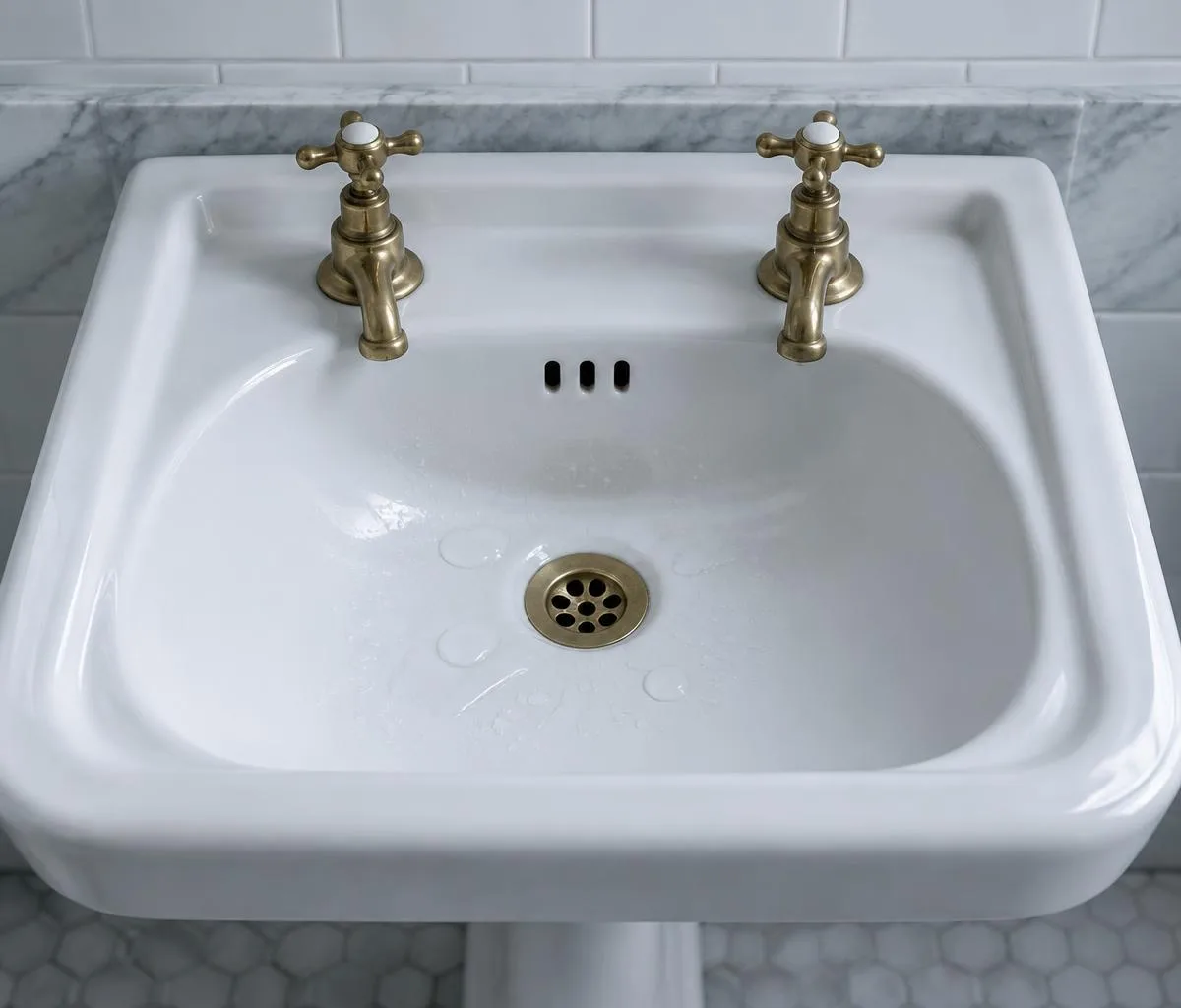
- Friction between interlaced fingers matters more than extreme water heat.
- Drying thoroughly on clean cloth removes pathogens loosened by the soap foam.
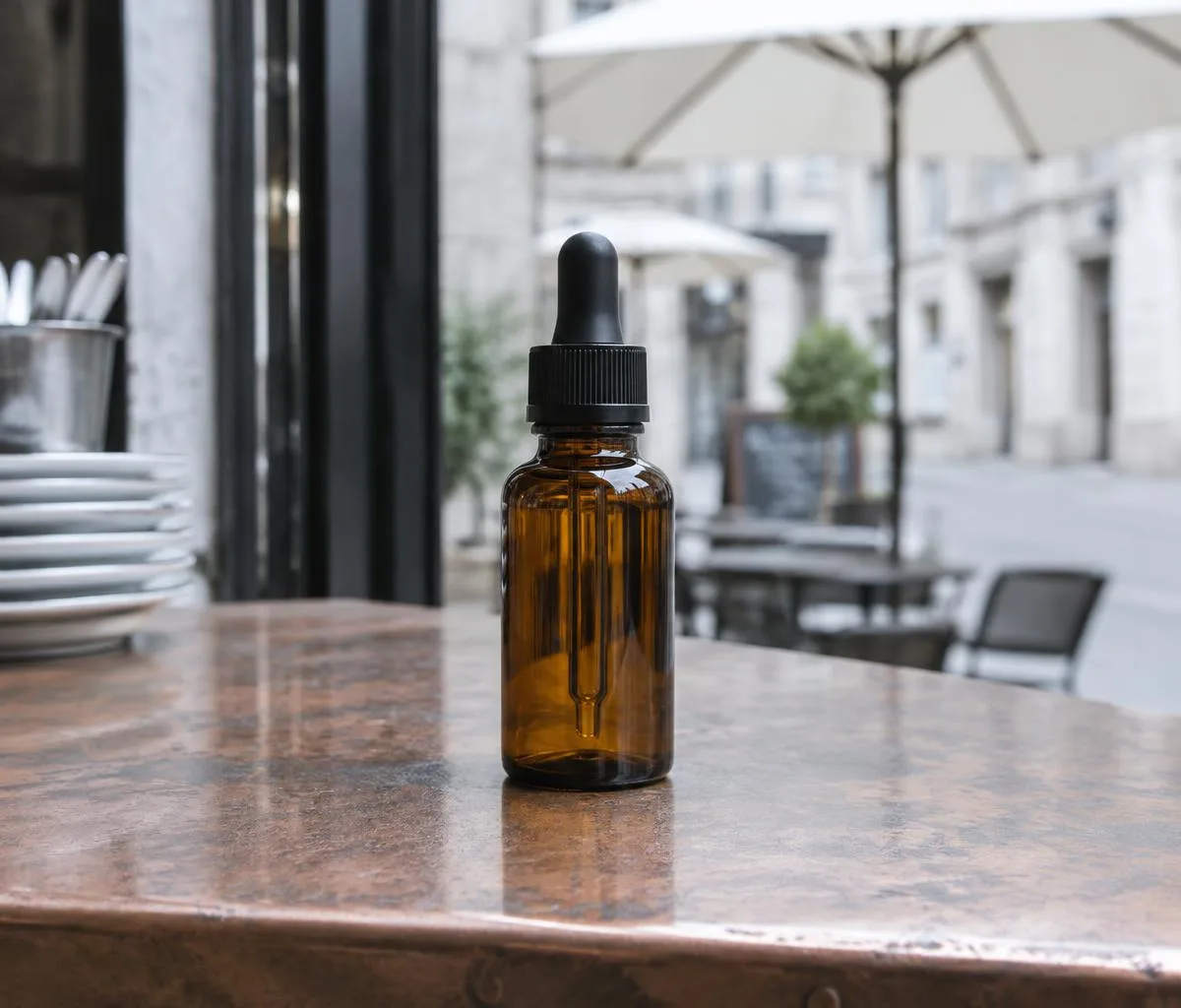
- A drop of cold-pressed oil restores the skin mantle after harsh transit soap.
The rush hour commute leaves an invisible film on the skin. Between the descent into the glazed tile corridors of Saint-Lazare or Chatelet and the final walk up the stairs of an apartment building, a commuter's hands make contact with dozens of communal surfaces. Stainless steel grab poles on Line 13, rubber escalator belts running under damp gloves, the turnstile arms polished smooth by thousands of wool coats, and the swinging doors at street exits all transfer an accumulated deposit of sebum, shed epithelial cells, soot, and transit flora onto the palms.
Arriving home requires a clean break between the exterior transit network and the domestic space. Tossing keys into a ceramic bowl and hanging an overcoat on a peg are second nature, but the hands remain the primary vehicle of transit grime into the kitchen, across telephone screens, and onto the faces of children. A quick three-second rinse under cold water does little more than moisten this particulate layer. Proper decontamination demands understanding how friction, surfactants, and water flow interact to lift and carry away urban soil.
What commuters bring home on their palms after rush hour
Public transit systems concentrate dense crowds into confined, conditioned air spaces where surfaces are touched continuously for eighteen hours a day. Stainless steel poles on metro carriages are non-porous, meaning biological deposits remain on the surface rather than absorbing into the substrate. Over the course of an evening commute, a passenger touches these bars alongside hundreds of individuals carrying seasonal viral particles, micrococci, staphylococci, and environmental fungi tracking in from wet winter streets.
This biological mixture combines with mechanical residues unique to underground rail travel. Fine brake dust from carbon-composite and sintered metal pads hangs in underground tunnels, settling onto handrails and ticketing kiosks. When fingers press against turnstiles or ticket validation screens, natural skin oils trap these fine metallic and carbon flakes. The result is a persistent, hydrophobic film made of commuter sweat, transit grease, and environmental microbes that adheres tightly to the epidermal ridges of the fingers.
Carrying groceries, touching the turnstile paddles, or holding onto the overhead strap while a carriage brakes into Concorde adds layers of pressure. This mechanical pressure drives fine particulate matter into the micro-crevices around the nail beds and into the flexural creases of the knuckles. Simply wiping hands with a dry tissue or running them under water without detergent leaves the lipid base intact, allowing trapped bacteria to survive on household door handles and cutlery long after the journey ends.
The mechanics of soap lather: breaking surface tension
Water alone cannot clear transit residue because oil and water do not mix. The sebum produced by human sebaceous glands is naturally hydrophobic, holding onto the brake soot and transit grime collected during the trip. Soap molecules, known as amphiphilic surfactants, bridge this gap. Each soap molecule possesses a hydrophilic head that bonds with water and a lipophilic hydrocarbon tail that bonds with grease and the lipid envelopes of enveloped viruses.
To initiate this breakdown, the hands must be completely wetted before soap application. Applying concentrated soap onto dry skin inhibits proper foam production and increases skin irritation. When water and soap mix under mechanical friction, surfactant tails embed themselves into the lipid film, tearing it apart and encapsulating oil droplets into microscopic clusters called micelles. These micelles suspend the dirt, transit soot, and microbial fragments within the water layer, preventing them from redepositing onto the skin.
Lather density serves as a visual indicator of surfactant distribution. A thin, watery film fails to hold particulates in suspension, while a rich, dense micro-foam traps debris effectively. Warm water between 20 and 35 degrees Celsius helps soften the harder waxes and oils without stripping the skin of essential ceramides as scalding water does. The mechanical action of your hands, rather than the water temperature itself, delivers the kinetic energy needed to dislodge stubborn metro grime.
Covering thumbs, webbing, and nail margins in twenty seconds
Most commuters wash only their palms and the flat pads of their fingers, neglecting the areas that make the firmest contact with transit rails. The thumb wraps around grab bars, receiving the greatest mechanical contact, yet observational studies consistently show it is the most frequently missed digit during routine hand hygiene. A systematic sequence lasting twenty to thirty seconds ensures complete physical coverage.
- Palmar rubbing: Rub palm to palm with steady, circular strokes to generate a dense white lather across both hand bases.
- Dorsal intertwining: Place the right palm over the left hand back with interlaced fingers, working the foam deep between the knuckles, then reverse the hands.
- Interdigital webbing: Bring the palms together with fingers interlaced, scrubbing the skin between the digits where sweat and transit grit collect.
- Dorsal finger lock: Interlock the fingers with the backs of the fingers against opposing palms, rubbing side to side to scour the middle phalanges.
- Thumb rotational scrub: Clasp the left thumb in the right palm and rotate backward and forward from base to tip; repeat with the right thumb.
- Nail bed scouring: Cup the left palm and grind the fingertips of the right hand into it with tight circular motions to force lather beneath the free edge of the nails, then switch sides.
- Wrist clearing: Finish by circling each wrist above the cuff line, addressing the zone often exposed to turnstile edges and coat sleeves.
This choreography removes the need to guess whether enough time has passed. Taking three to four seconds per step naturally reaches the recommended duration without relying on nursery rhymes. Rinsing must follow an identical downward trajectory, letting the water run from fingertips down toward the wrists to wash the suspended micelles into the drain rather than washing contaminants back onto cleaned finger pads.
Paper towels, cloth rolls, and air dryers: comparing sanitary efficacy
The drying phase is not an optional afterthought; wet skin transfers bacteria at a rate nearly twenty times higher than dry skin. How hands are dried also determines whether the mechanical gains of the wash are preserved or undone. In public washrooms near transit hubs or at home after an evening commute, drying tools offer distinctly different hygiene profiles.
| Drying Method | Friction Component | Bacterial Dispersal Risk | Drying Time for 95% Moisture Removal | Typical Home or Transit Suitability |
|---|---|---|---|---|
| Single-use virgin paper towels | High; removes remaining loose cells and dirt | Very low; contained disposal in bin | 10 to 12 seconds | Ideal for shared entryways or kitchen basins |
| Cabinet roller cloth (individual pull) | High; good physical wiping action | Low if mechanical feed functions correctly | 12 to 15 seconds | Common in traditional French commercial depots |
| Shared domestic cotton hand towel | Moderate; relies on user technique | Moderate to high if shared by multiple commuters | 15 seconds | Requires daily laundering during winter months |
| High-velocity jet air dryer | None; relies purely on airflow | High; aerosolizes sink trap water and skin flora | 12 to 14 seconds | Not recommended for domestic or food prep spaces |
| Standard warm air dryer | None; often prompts user to wipe on clothes | Moderate; creates localized air disturbance | 40 to 45 seconds | Slow; leads to incomplete drying in public hubs |
Single-use unbleached paper towels provide superior hygienic results because the physical friction of wiping strips away remaining bacterial cells that survived the wash. In a private flat, a clean cotton waffle-weave towel works well, provided it is assigned to a single person and replaced every two days during peak viral season. Shared terrycloth towels in high-traffic households quickly turn damp, creating an incubator for the very microbes washed from the metro poles.
Jet air dryers found in railway station restrooms blow high-speed air downward and outward, aerosolizing water droplets from wet hands and floor drains across a radius of up to two meters. Commuters who wash their hands in a station concourse only to dry them under a jet dryer frequently leave with more airborne spores on their cuffs and clothing than they carried before entering the basin.
Protecting knuckles from winter fissures caused by frequent scrubbing
Between November and March, northern urban air loses its humidity, compounded by dry radiator heat inside apartments and biting winds along the avenues. Washing hands three or four times an evening to strip away transit grime removes the stratum corneum's intercellular lipids along with the dirt. When these natural ceramides and fatty acids dissolve, the skin barrier degrades, leading to microscopic tears, redness, and painful bleeding fissures over the knuckles.
A compromised skin barrier defeats the purpose of hygiene. Fissures provide a direct route of entry for environmental pathogens, bypassing the body's primary mechanical defense. To counteract this degradation, select a liquid syndet bar or a gentle, non-perfumed castile soap rather than harsh commercial dish detergents or heavily fragranced antibacterial soaps that contain high concentrations of sodium lauryl sulfate.
Apply an emollient or lipid-replenishing ointment immediately after drying, while the skin retains residual hydration. Water-based lotions often evaporate too quickly in winter conditions, chilling the skin and offering little structural protection. Creams containing urea, shea butter, squalane, or petrolatum form a protective film that locks moisture into the damaged outer layer. Keeping a brass or ceramic pump of rich lipid cream directly beside the entryway basin ensures this restorative step becomes as automatic as turning off the tap.
Common mistakes
- Turning off the tap with bare, washed hands: Gripping the damp faucet handle immediately re-contaminates clean fingers with the grime deposited when turning the water on. Use an elbow, a wrist, or the paper towel used for drying to close the valve.
- Wearing rings while washing: Transit soot, sweat, and soap residue collect under signet rings and wedding bands. The trapped moisture and detergent cause irritant contact dermatitis, while the metal hides bacterial pockets from mechanical scrubbing. Remove jewelry before washing or push rings up the finger to clean beneath them.
- Relying exclusively on alcohol hand gel: Alcohol rubs inactivate many viral envelopes on clean skin, but they do not remove the heavy layer of soot, brake dust, and grease found on metro poles. Gels applied to dirty hands merely spread the grime into an even layer without clearing the particulate load.
- Neglecting mobile phones: Washing hands immediately upon arrival is useless if the commuter instantly picks up a smartphone that was handled continuously throughout the carriage ride. Clean the glass and phone casing with an alcohol wipe to prevent re-soiling the hands within minutes.
- Using water that is far too hot: Boiling-hot water does not sterilize skin; it only accelerates lipid stripping and dilates dermal capillaries, worsening winter chapping and prompting people to cut their washing time short.
Practical next steps for the evening routine
Establishing an effective hygiene habit requires reducing friction at the threshold of the home. Set up the entryway so that shoes, winter coats, transit passes, and keys are deposited in a designated drop zone before reaching the water basin. This simple zoning keeps metro rail particulates confined to the entryway floor rather than transferring them onto living room rugs or kitchen counters.
Evaluate your washstand setup tonight. Replace perfumed, harsh bar soaps with a neutral, pH-balanced liquid cleanser or syndet block housed in an easy-to-pump dispenser. Swap out worn, damp terrycloth towels for three or four thin cotton or linen towels that can be rotated through the laundry every other day, ensuring hands touch dry, clean fibers after every commute.
If persistent skin cracking, severe redness, or bleeding develops over the knuckles despite switching to milder cleansers and applying emollient balms, seek the guidance of a dermatologist. Deep skin fissures can invite secondary bacterial infections that require prescribed topical barrier repair therapies rather than simple over-the-counter moisturizers.
This publication provides educational reporting only: consult a board-certified dermatologist or municipal health officer for persistent skin conditions. Disclaimer